
Parallels between human languages, the communication systems of other species and other natural systems
June 29, 2027
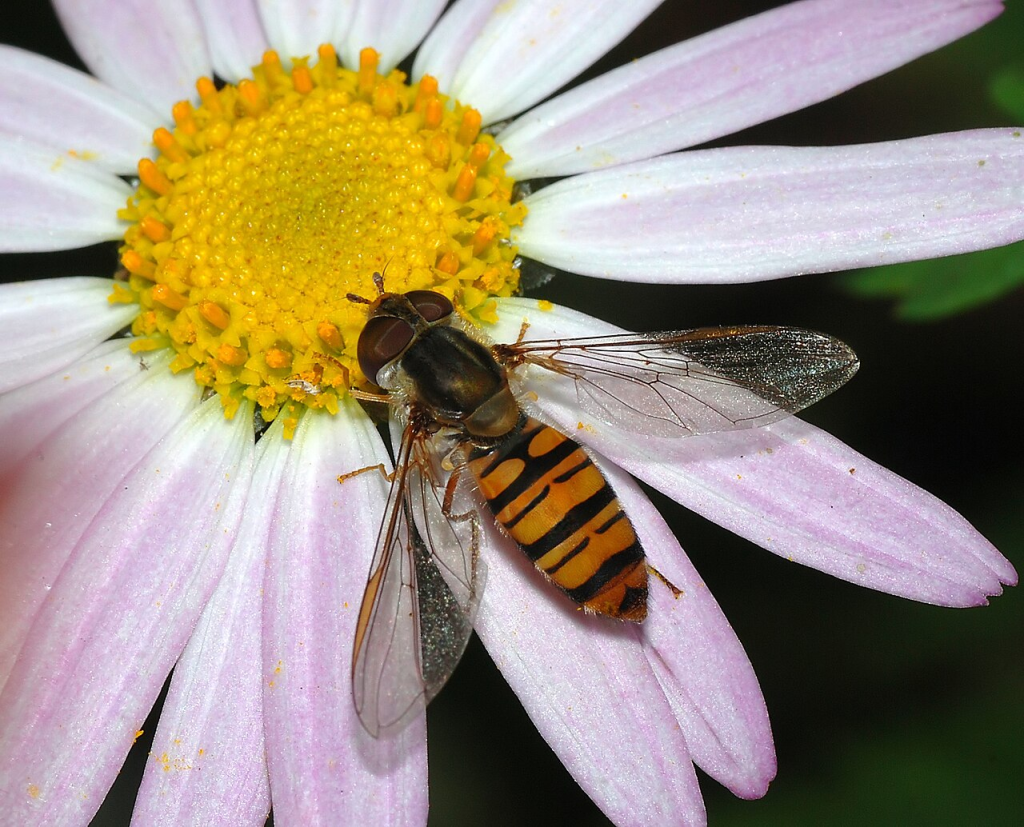

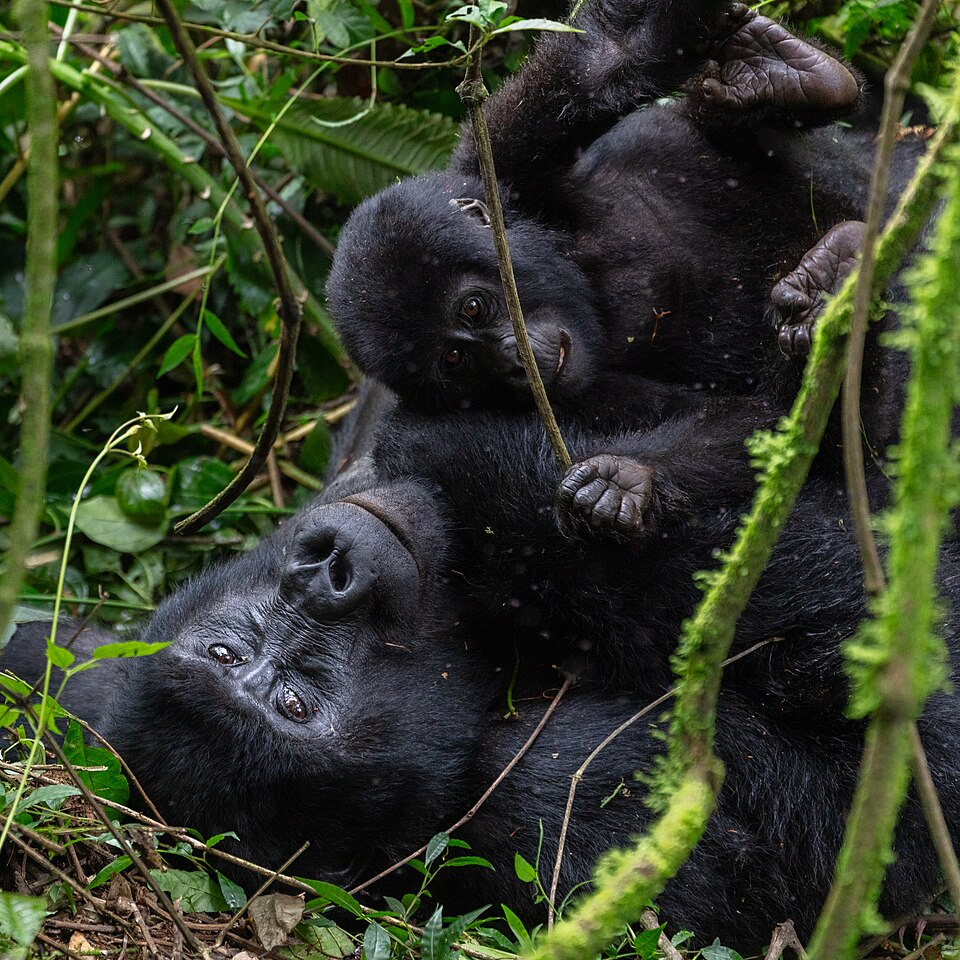
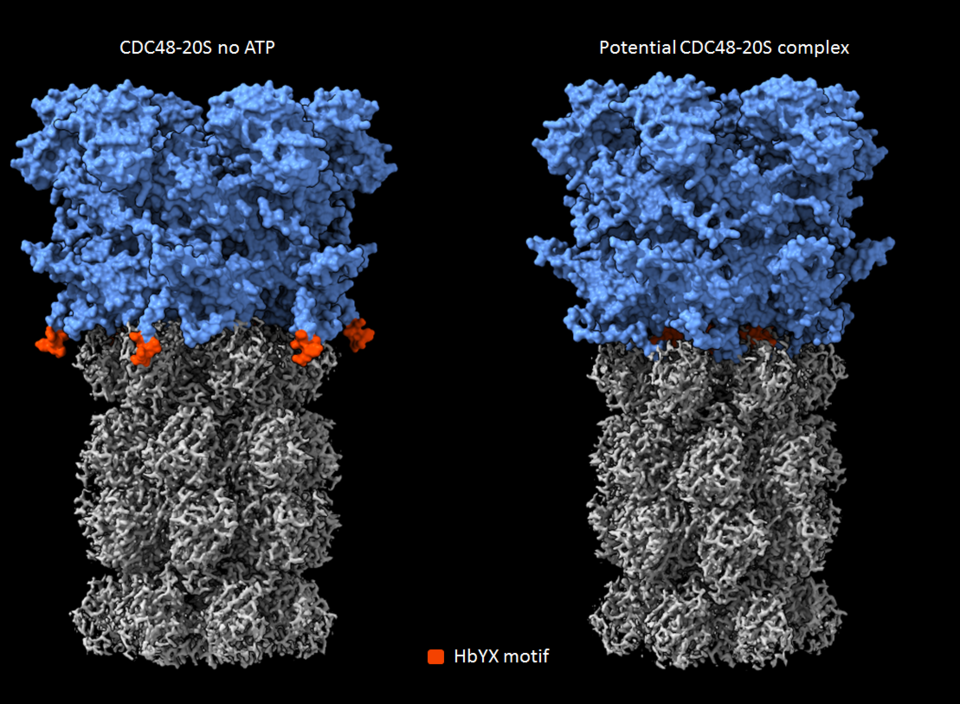
CC BY-SA 4.0 Alvergaspar, Carquinyol, Diego Delso, David Salcedo Tacuma
Attendance by participants of the regular conference is free and encouraged.
What we humans share with other species and what we do not, has long been debated. Approaches to this fascinating question vary in the degree of anthropocentrism and actual testability. Quantitative linguistics has provided researchers with simple but powerful tools for comparison across communication systems and across levels of biological organization (McCowan et al 1999, Caetano-Anollés 2021, Hernández-Fernández & Torre, I. G. 2022).
In the last two decades, research on parallels between humans and other natural systems through the lens of linguistic laws, one of the main concerns of quantitative linguistics, has been flourishing (Bibliography on laws of language outside human language). These laws are seen as manifestations of fundamental principles of the organization of communication and natural systems (Semple et al 2022). This collective effort is supported by mathematical theory that generates predictions and frees from prejudices of the past (Ferrer-i-Cancho et al 2022, Ferrer-i-Cancho et al 2014).
In this workshop, we aim to bring together researchers who are using statistical or mathematical methods for comparison (Safryghin et al 2022, Youngblood 2025) or for deeper insight into another species or natural system (Kershenbaum et al 2015, Berthet et al 2026). Approaches can come from traditional quantitative linguistics or others frameworks providing equivalent objectivity and testability.
Confirmed speakers
Simon Townsend, University of Zürich
Mason Youngblood, Animal Culture Observatory.
Ramon Ferrer-i-Cancho, Universitat Politècnica de Catalunya
Organizers
Ramon Ferrer-i-Cancho and Antoni Hernández-Fernandez, Universitat Politècnica de Catalunya
REFERENCES
Berthet, M., Surbeck, M., & Townsend, S. W. (2025). Extensive compositionality in the vocal system of bonobos. Science, 388(6742), 104–108.
Caetano-Anollés, G. (2021). The compressed vocabulary of microbial life. Frontiers in Microbiology, 12, 655990.
Ferrer-i-Cancho, R., Bentz, C., & Seguin, C. (2022). Optimal coding and the origins of Zipfian laws. Journal of Quantitative Linguistics, 29(2), 165–194.
Ferrer-i-Cancho, R., Hernández-Fernández, A., Baixeries, J., Dębowski, Ł., & Mačutek, J. (2014). When is Menzerath-Altmann law mathematically trivial? A new approach. Statistical Applications in Genetics and Molecular Biology, 13(6), 633–644.
Hernández-Fernández, A., & Torre, I. G. (2022). Compression principle and Zipf’s Law of brevity in infochemical communication. Biology Letters, 18(7), 20220162.
Kershenbaum, A., Freeberg, T. M., & Gammon, D. E. (2015). Estimating vocal repertoire size is like collecting coupons: A theoretical framework with heterogeneity in signal abundance. Journal of Theoretical Biology, 373, 1–11.
McCowan, B., Hanser, S. F., & Doyle, L. R. (1999). Quantitative tools for comparing animal communication systems: Information theory applied to bottlenose dolphin whistle repertoires. Animal Behaviour, 57(2), 409–419.
Safryghin, A., Cross, C. P., Fallon, B., Heesen, R., Ferrer-i-Cancho, R., & Hobaiter, C. (2022). Variable expression of linguistic laws in ape gesture: a case study from chimpanzee sexual solicitation. Royal Society Open Science, 9(11), 220849.
Semple, S., Ferrer-i-Cancho, R., & Gustison, M. L. (2022). Linguistic laws in biology. Trends in Ecology & Evolution, 37(1), 53–66.
Youngblood, M. (2025). Language-like efficiency in whale communication. Science Advances 11, eads6014.